
The Right Patio, Wall, and Walkway Can Guide the Whole Yard
hardscaping shapes landscape design layouts by setting the structure of a yard first. Patios, walkways, steps, walls, and edging help decide where people walk, gather, and view plants. In many yards, the hard surfaces act like a map. They split space into useful zones and help the rest of the outdoor plan feel balanced, easy to use, and simple to maintain.

Quick Answer
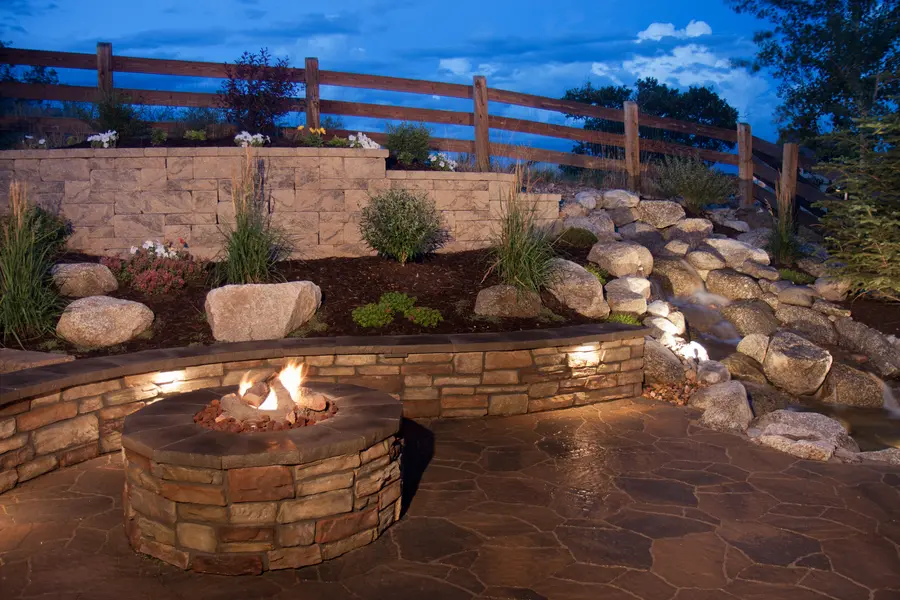
When people think about landscape design, they often think about grass, flowers, and trees. Yet the hardscape usually does the early layout work. A walkway leads guests to the front door. A patio creates a clear spot for seating. A retaining wall can level a slope and make room for planting beds. These features help shape flow, function, and scale. That is why many outdoor plans work better when the hard surfaces are planned before the plants go in.
What You Need Before Starting
Before planning any yard layout, it helps to know how the space will be used. A family with kids may need open play space. Someone who hosts friends may want a large patio near the house. A side yard might need a simple path for trash bins or garden tools. Good landscape design starts with daily needs, yard size, sunlight, drainage, and the shape of the home.
You should also look at what already exists. Check slopes, tree roots, wet spots, and door locations. Notice where people already walk. Those natural paths can tell you where a walkway belongs. Even the blank service category keyword should be reviewed as part of a full site plan, since every project has parts that affect each other.
Step-by-Step Process
A clear process can help you build a layout that makes sense and lasts.
- Start with the main use of the yard. Pick the biggest goal first, like dining, play, or curb appeal.
- Mark key access points. These can include gates, doors, driveway edges, and steps.
- Place large hardscape features first. Patios, decks, walls, and main walkways should go in early on the plan.
- Connect spaces with paths. Make it easy to move from the driveway to the door, or from the patio to the garden.
- Define planting areas. Once the hard lines are set, beds can fill open spaces around them.
- Check drainage and slope. Water should move away from the house and not pool near paving.
- Add finishing details. Borders, lighting, and seating can support the full landscape design layout.
Common Mistakes to Avoid
One common mistake is adding plants first and hardscape later. That can lead to torn-up lawns, moved shrubs, and awkward paths. Another mistake is making a patio too small. A space may look fine on paper but feel tight once a table and chairs are added. Some people also forget about movement. A yard should not just look nice from inside the house. It should feel easy to walk through.
Bad scale is another issue. Wide homes often need wider walkways or larger gathering areas so the yard does not feel out of balance. A small front entry can look crowded if the path is too wide or the wall is too tall. Good landscape design matches each hardscape element to the size of the house and lot.
How Hardscape Changes the Feel of Each Zone
Hardscape does more than create structure. It changes how each part of a property feels. Straight paths often feel neat and direct. Curved paths can feel softer and slower. A low seat wall can make a patio feel cozy. Stone steps can turn a steep yard into usable levels. These choices affect both style and function.
- Walkways guide foot traffic and protect grass from wear.
- Patios create a strong center for outdoor living.
- Retaining walls open up flat planting or play areas.
- Edging keeps mulch, gravel, and beds in place.
- Driveway borders can improve curb appeal and visual order.
When all of these parts work together, the outdoor space feels complete instead of random.
When to Call a Professional
Some layout ideas are simple enough for a small yard project. A short gravel path or a basic sitting area may be easy to plan. Still, larger projects often need expert help. A professional may be worth calling when the yard has drainage issues, major slopes, tricky grades, or a lot of different use zones. Help is also smart when you want a full landscape design plan that blends paving, plants, lighting, and long-term care.
A pro can spot problems before work starts. That may include runoff near the house, poor path spacing, or materials that do not fit the setting. This kind of planning can save time and help avoid costly fixes later.
Final Recommendation
If you want a yard that looks good and works well, start with the hardscape layout. Think about where people move, sit, gather, and see the yard. Then shape planting beds around those strong lines. This order often leads to cleaner flow, better use of space, and a more polished finished design.
Get Help With Your Next Outdoor Plan
For property owners in Franklin, KY, we can help map out a yard that feels easy to use and easy to enjoy. At Ardon Lawns & Landscapes LLC of Franklin, we build outdoor plans that connect patios, paths, walls, and planting areas in a clear way. Call us at (270) 216-4187 if you want to talk about ideas for your space.